Table of Contents
- The Importance of Physical Environment in Therapy
- The Enfield Community and Mental Wellness
- Professional Standards for Modern Therapy Rooms
- Diverse Therapeutic Approaches in Private Practice
- The Business of Wellness for Practitioners
- Holistic Growth: Beyond the Therapy Session
- Maintaining Digital Balance and Mental Clarity
- The Future of Mental Health Support in 2026
Establishing a sanctuary for mental health requires more than just four walls; it demands an environment tailored to psychological safety and professional growth. In the heart of Enfield, therapy rooms serve as the cornerstone for transformative healing and personal development for both clients and practitioners alike.
The Importance of Physical Environment in Therapy
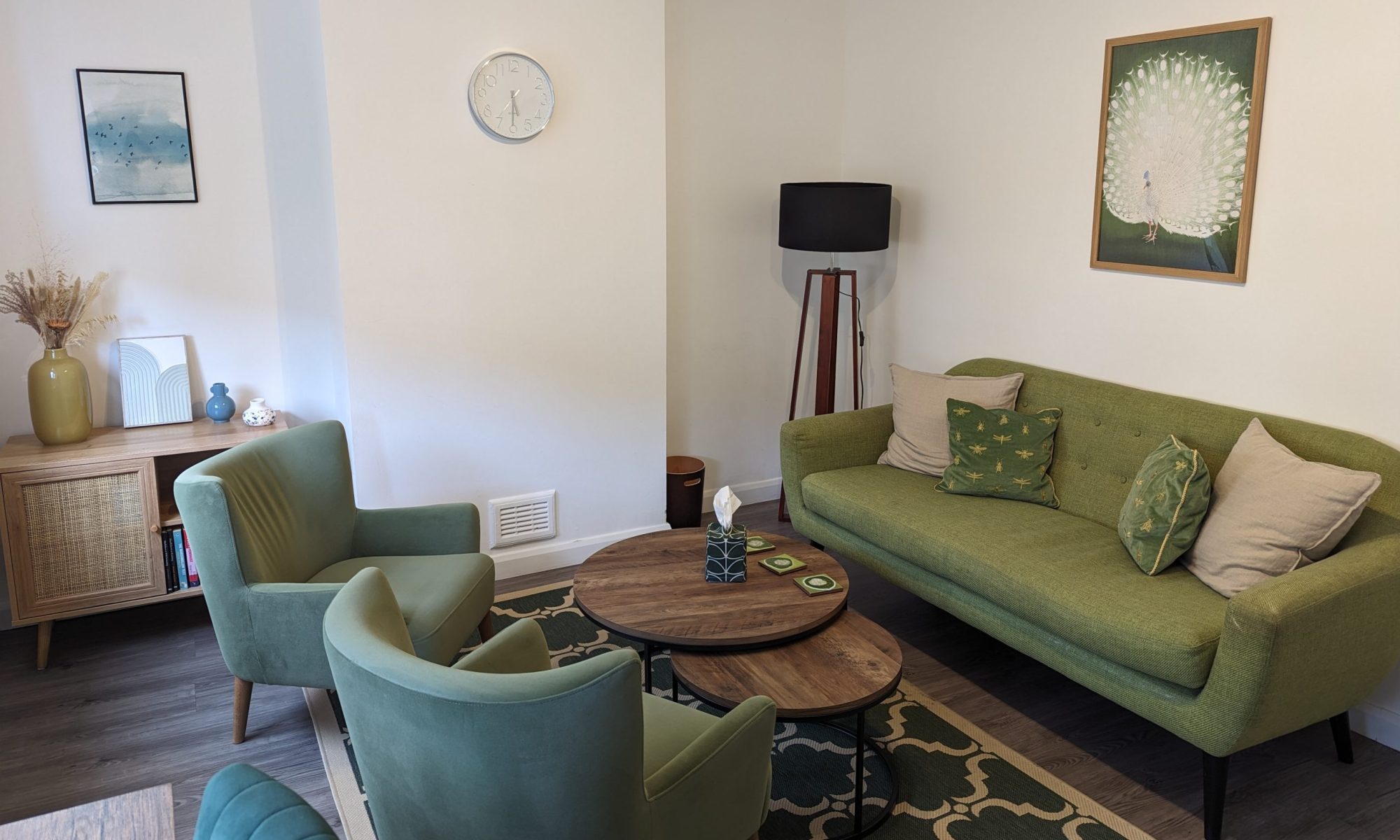
The architecture of a healing space significantly influences the efficacy of the therapeutic process. When a client enters a room designed for comfort, their nervous system begins to shift from a state of high alert to one of receptive calm. High ceilings, natural lighting, and soundproofing are not mere luxuries; they are essential tools that facilitate deep emotional work. In 2026, the integration of biophilic design elements has further enhanced these spaces, ensuring that nature-inspired aesthetics help reduce cortisol levels during sessions.
Practitioners in Enfield emphasize that a neutral yet warm environment allows clients to project their internal worlds without distraction. Every piece of furniture, from the ergonomic chairs to the placement of indoor plants, is curated to foster a sense of grounding. This physical stability provides a necessary counterpoint to the often turbulent emotional journey of therapy, allowing for a more profound exploration of the self. A well-designed room acts as a silent co-therapist, holding the space when words become difficult to find.
| Environmental Factor | Impact on Client | Therapeutic Benefit |
|---|---|---|
| Natural Light | Regulates Circadian Rhythm | Improves Mood Stability |
| Soundproofing | Ensures Confidentiality | Builds Trust and Security |
| Neutral Tones | Reduces Overstimulation | Enhances Focus on Internal Process |
The Enfield Community and Mental Wellness
Enfield has grown into a vibrant hub for mental health excellence, fostering a community that values psychological well-being as much as physical health. The local network of therapists, counselors, and psychologists provides a diverse range of expertise, ensuring that residents have access to specialized care tailored to their unique needs. This community-driven approach has broken down many of the stigmas surrounding mental health, making it easier for individuals to seek help before crises arise.
The collaboration between local practitioners also allows for a multidisciplinary approach to wellness. Referral networks are strong, meaning a client seeking CBT might easily find a practitioner who also specializes in mindfulness or nutritional therapy. This interconnectedness ensures that the Enfield community is supported by a robust web of professional care, promoting long-term resilience and health. The local therapy rooms are more than just spaces; they are the heart of a supportive ecosystem.
Professional Standards for Modern Therapy Rooms
Maintaining high professional standards is crucial for anyone offering therapy services in a private capacity. This involves not only the physical upkeep of the rooms but also adhering to strict ethical guidelines and data protection regulations. In 2026, the expectations for privacy have evolved, with rooms now requiring advanced acoustic shielding to protect against any potential digital eavesdropping. Professionalism also extends to the shared spaces, such as waiting areas, which must remain calm and discreet.
For practitioners, renting a dedicated therapy room in Enfield offers a professional image that is difficult to achieve at home. It provides a clear boundary between work and personal life, which is vital for preventing therapist burnout. Furthermore, these professional environments often come with amenities like high-speed secure Wi-Fi for hybrid sessions, ensuring that the transition between in-person and digital therapy is seamless and secure.
- Secure entry systems for client safety
- Professional cleaning services adhering to health protocols
- Flexible booking systems for better work-life balance
- Access to peer supervision groups
Diverse Therapeutic Approaches in Private Practice
The beauty of private practice in Enfield lies in the variety of modalities available to the public. From traditional psychoanalysis to modern Acceptance and Commitment Therapy (ACT), the practitioners operating out of these rooms offer a wide spectrum of psychological support. This diversity is essential because no single approach works for everyone. By providing a platform for different experts, these therapy rooms ensure that the community can find the specific “fit” necessary for successful outcomes.
We see an increasing trend toward integrative therapy, where practitioners combine elements from different schools of thought to better serve the client. For instance, combining trauma-informed care with bodywork or somatic experiencing is becoming more common. This flexibility allows the therapy to be as dynamic as the individuals seeking it, addressing complex modern issues like digital addiction, eco-anxiety, and the pressures of the modern gig economy.
Read also
- Cognitive Behavioral Therapy (CBT) for anxiety and depression
- Humanistic Therapy for self-actualization
- Psychodynamic Therapy for exploring deep-seated patterns
- Systemic Family Therapy for interpersonal dynamics
The Business of Wellness for Practitioners
For many therapists, moving into private practice is a significant career milestone that requires both clinical skill and business acumen. Choosing the right location in Enfield is a strategic decision that affects client acquisition and retention. A professional room provides a sense of legitimacy and stability, which is highly valued by clients. Practitioners must manage their schedules effectively to ensure they have enough “buffer” time between sessions to decompress and prepare for the next client.
The economic landscape for therapists in 2026 involves navigating various insurance providers and private payment structures. Having a fixed, professional address in a well-known therapy center simplifies many of the administrative burdens. It also allows for networking opportunities with other professionals, potentially leading to collaborative projects or shared workshops. Investing in a quality workspace is ultimately an investment in one’s professional longevity and reputation.
| Business Component | Standard Practice | Impact on Practice |
|---|---|---|
| Room Rental | Hourly or Block Booking | Flexible Overhead Management |
| Marketing | Directory Listings & SEO | Increased Client Inflow |
| Professional Insurance | Full Indemnity Cover | Risk Mitigation and Security |
Holistic Growth: Beyond the Therapy Session
Healing is rarely confined to the sixty minutes spent within a therapy room. It is a continuous process that involves lifestyle changes, self-reflection, and the development of new coping mechanisms. Many Enfield therapists encourage their clients to engage in supplemental activities such as journaling, meditation, or light exercise. This holistic view of mental health recognizes that the mind and body are intrinsically linked, and that physical vitality often supports emotional resilience.
Practitioners often provide resources or “homework” that helps clients integrate the insights gained during their sessions into their daily lives. This might include practicing mindfulness during a stressful commute or using specific communication techniques within family dynamics. By bridging the gap between the therapy room and the outside world, therapists help clients build a sustainable foundation for mental wellness that lasts long after the formal treatment has ended.
- Integration of mindfulness practices into daily routines
- Emphasis on sleep hygiene and nutritional health
- Encouraging creative outlets for emotional expression
Maintaining Digital Balance and Mental Clarity
In our increasingly connected world, digital overload has become a primary driver of stress and anxiety. Therapists in Enfield are seeing more clients who struggle with “technostress” and the constant dopamine loops created by social media and online notifications. The therapy room provides a vital “offline” zone where clients can disconnect from the digital noise and reconnect with their internal experience. This digital detox, even if only for an hour, is often cited as one of the most therapeutic aspects of the session.
Learning to set boundaries with technology is a common goal in modern therapy. This includes managing the urge for instant gratification and developing a more intentional relationship with our devices. Therapists work with clients to identify patterns of behavior that lead to burnout or compulsive checking of digital platforms. By regaining control over their digital lives, individuals can reclaim their focus and improve their overall quality of life. True mental clarity often requires stepping away from the screen to face the self.
The Future of Mental Health Support in 2026
As we move further into 2026, the landscape of mental health support continues to evolve with technological and societal shifts. We are seeing a greater emphasis on preventative care and the proactive management of mental health. Therapy is no longer seen just as a remedy for illness, but as a tool for personal optimization and emotional intelligence. The therapy rooms of Enfield are at the forefront of this shift, providing the physical infrastructure for a more enlightened approach to human well-being.
The integration of AI-assisted administrative tools has allowed therapists to spend less time on paperwork and more time on client care. While the human connection remains the core of therapy, these technological advancements help make mental health services more accessible and efficient. The future promises a more inclusive, flexible, and evidence-based approach to wellness, where the sanctity of the therapy room remains a vital constant in an ever-changing world. Mental health is the ultimate priority for a flourishing society.